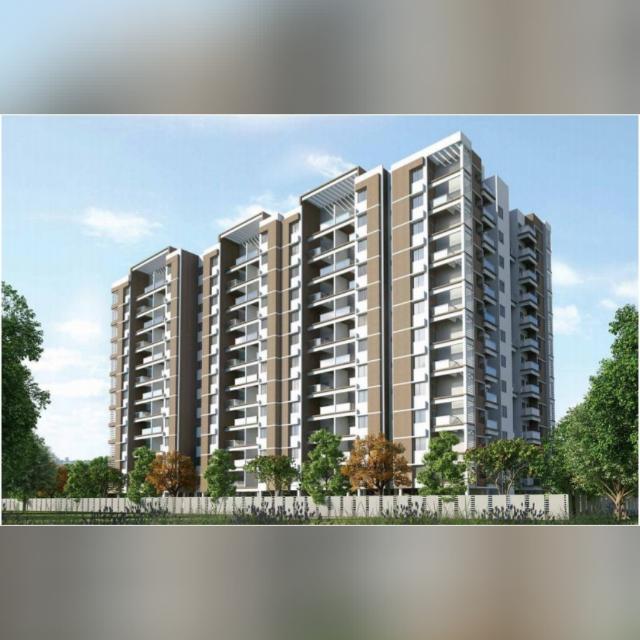
The global construction and real estate sectors are entering a highly transformative phase in mid-2026. While stabilizing inflation and anticipated interest rate cuts offer a sigh of relief for developers and prospective homebuyers alike, the industry is grappling with new, localized supply-side pressures.
According to the newly released 2026 Construction Cost Index reports, overall building project expenses are projected to climb by 3% to 5% across major emerging markets this calendar year. This uptick is primarily fueled by a widespread shortage of skilled labor, newly enacted regional labor codes, and escalating energy costs that are testing the agility of private contracting firms. Interestingly, raw materials present a mixed landscape: staple assets like steel and cement have stabilized with minor dips, while high-demand electrical components like copper and aluminum continue to spike under global supply chain constraints.
Despite these structural cost pressures, market experts note that underlying residential demand remains remarkably resilient. Homebuyers are shifting their behavior rapidly, prioritizing proximity to major public transit corridors and newly completed infrastructure hubs over traditional, older addresses.
As premium and lifestyle-driven housing solutions dominate the 2026 horizon, developers are adjusting by heavily emphasizing cost optimization and lean building technologies to preserve profit margins without delaying critical delivery deadlines.